Three decades of Danish data shows that whilst obesity, low self-esteem, and poor mental well-being affect young people across all backgrounds, those from lower-income families are increasingly bearing a disproportionate burden, with girls from disadvantaged families particularly hard hit.
Spanish HBSC team publishes major report on adolescent sexual health trends
The Spanish HBSC team has published a comprehensive analysis of adolescent sexual health spanning two decades. The 2022 data reveals concerning trends, including a significant drop in condom use and widening inequalities, with adolescents from lower socioeconomic backgrounds facing consistently higher risks across multiple sexual health indicators.
Latest HBSC results from Spain reveal changing patterns in adolescent health and well-being
Findings from the latest HBSC survey in Spain offer a detailed look at how adolescents’ lives, health, and well-being have evolved. In 2022, more than 33,000 students aged 11 to 18 across Spain took part in the survey, making this the largest national sample to date.
HBSC Ireland report highlights major trends in adolescent health and wellbeing over 25 years
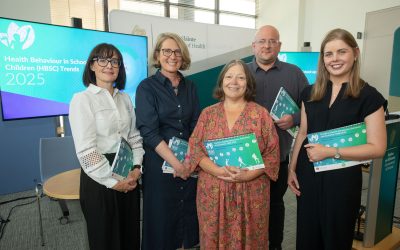
The newly released HBSC Ireland Trends Report marks a milestone in adolescent health research, presenting a detailed picture of how the health and wellbeing of school-aged children in Ireland have evolved between 1998 and 2022. Drawing on the responses of thousands of Irish young people, the study highlights both encouraging trends and persistent challenges, offering important lessons for policymakers, educators, and families across the country and beyond.
Czech adolescents face growing sleep deficit, new HBSC data reveals
New data from the HBSC study in Czechia shows a concerning decline in adolescent sleep, with average weekday sleep duration falling below eight hours for the first time. Nearly half of Czech adolescents fail to meet recommended sleep guidelines, with “social jet lag” affecting up to 55% of 15-year-olds. Later bedtimes and increased screen time are key factors behind this growing sleep deficit.
New WHO/HBSC report highlights troubling trends in adolescent support systems
New findings from the HBSC 2021/2022 survey reveal concerning trends in adolescent social support across Europe, Central Asia and Canada. Data from nearly 280,000 young people aged 11, 13 and 15 show that only 68% report high levels of family support – a significant drop since 2018 – while school pressure has increased sharply, particularly affecting adolescent girls.
New WHO/HBSC report sheds light on adolescent digital behaviours across Europe, Central Asia and Canada
A new HBSC report, conducted in collaboration with the WHO Regional Office for Europe, provides crucial insights into adolescent digital behaviours, highlighting both the risks and benefits of social media use and gaming among youth in 44 countries and regions.
New WHO/HBSC report reveals alarming decline in adolescent condom use across Europe, Central Asia and Canada
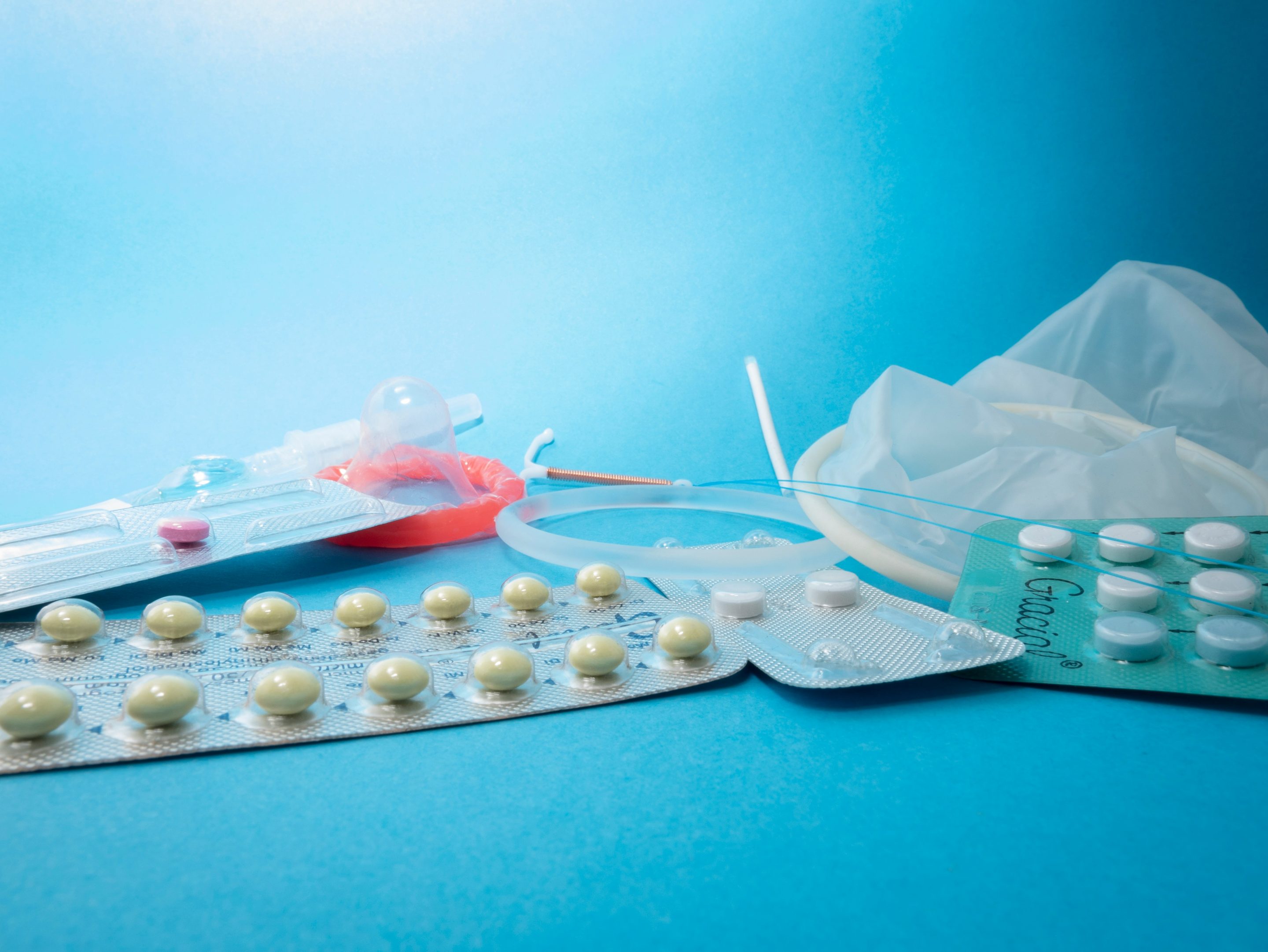
The WHO Regional Office for Europe has today published a new report from the HBSC study, revealing concerning trends in adolescent sexual health.
New publication from HBSC Netherlands: positive social relationships amidst growing mental health concerns
A newly released fact sheet from the HBSC team in the Netherlands presents a nuanced picture of youth well-being. The findings reveal critical shifts in mental health, substance use, school experiences, and social media use—offering crucial insights to guide the support of young people throughout the Netherlands.